In this article
Emergencies strike when we least expect them: storms, fires, floods, or even sudden plumbing disasters. When they do, the last thing you want is to scramble for essential documents or struggle to remember policy details. A well-prepared homeowner is a well-protected homeowner.
Having a "ready-to-go" emergency kit for your property insurance claim can make all the difference when it comes to getting back on your feet quickly. Here’s what you should have on hand to streamline the claims process and protect your investment.
Where Should You Keep a Copy of Your Insurance Policy?
Your insurance policy is your playbook in a crisis. Keep both a physical copy in a waterproof and fireproof safe and a digital copy stored securely in the cloud. This will help you quickly reference coverage details, deductible amounts, and exclusions when needed. FEMA’s Ready campaign makes the same recommendation in its guidance on financial preparedness, which treats insurance paperwork as one of the documents to secure before an emergency rather than during one.
Take note of your insurance company’s claims department contact info and your agent’s direct line, and store both in your phone so you are not hunting for a number while standing in a parking lot.
What Belongs in a Home Inventory?
Imagine trying to list everything you own after a disaster. Overwhelming, right? A home inventory list saves you from that headache.
What to include:
-
Photos/videos of each room
-
Serial numbers for electronics and appliances
-
Purchase receipts for high-value items
-
A detailed list of furniture, decor, and other assets
Use an app like Encircle or Sortly to keep your inventory organized, then store copies in the cloud (Google Drive, Dropbox) and on an external hard drive so a single lost device does not take the whole record with it.
Who Should Be on Your Emergency Contact List?
After an emergency, you may need to contact a restoration company, plumber, or electrician ASAP. Having a pre-vetted list of contractors prevents delays and potential scams.
Contacts to have ready:
-
Insurance agent and claims department
-
Preferred contractor(s)
-
Emergency plumber and electrician
-
Local disaster restoration service
Be wary of “storm chasers” after a disaster, meaning unlicensed contractors who follow the damage and look to take advantage of stressed homeowners. Stick with reputable professionals you chose before you needed them.
Where Will You Stay If Your Home Is Unlivable?
If your home becomes unlivable, where will you go? Many policies include Additional Living Expenses (ALE) coverage to help pay for hotels or rentals.
Decide this in advance, not on the night you evacuate. Identify nearby hotels that accept insurance payments, keep a list of family and friends who can provide temporary shelter, and read your policy so you know which expenses it covers beyond lodging, such as meals and transportation. FEMA’s Ready campaign has a template for building that household emergency plan, including where everyone will meet and how you will reach each other.
Save receipts for every expense related to displacement, including hotels, meals, and even extra gas. These may be reimbursable through your policy.
What Should Be in a Grab-and-Go Kit?
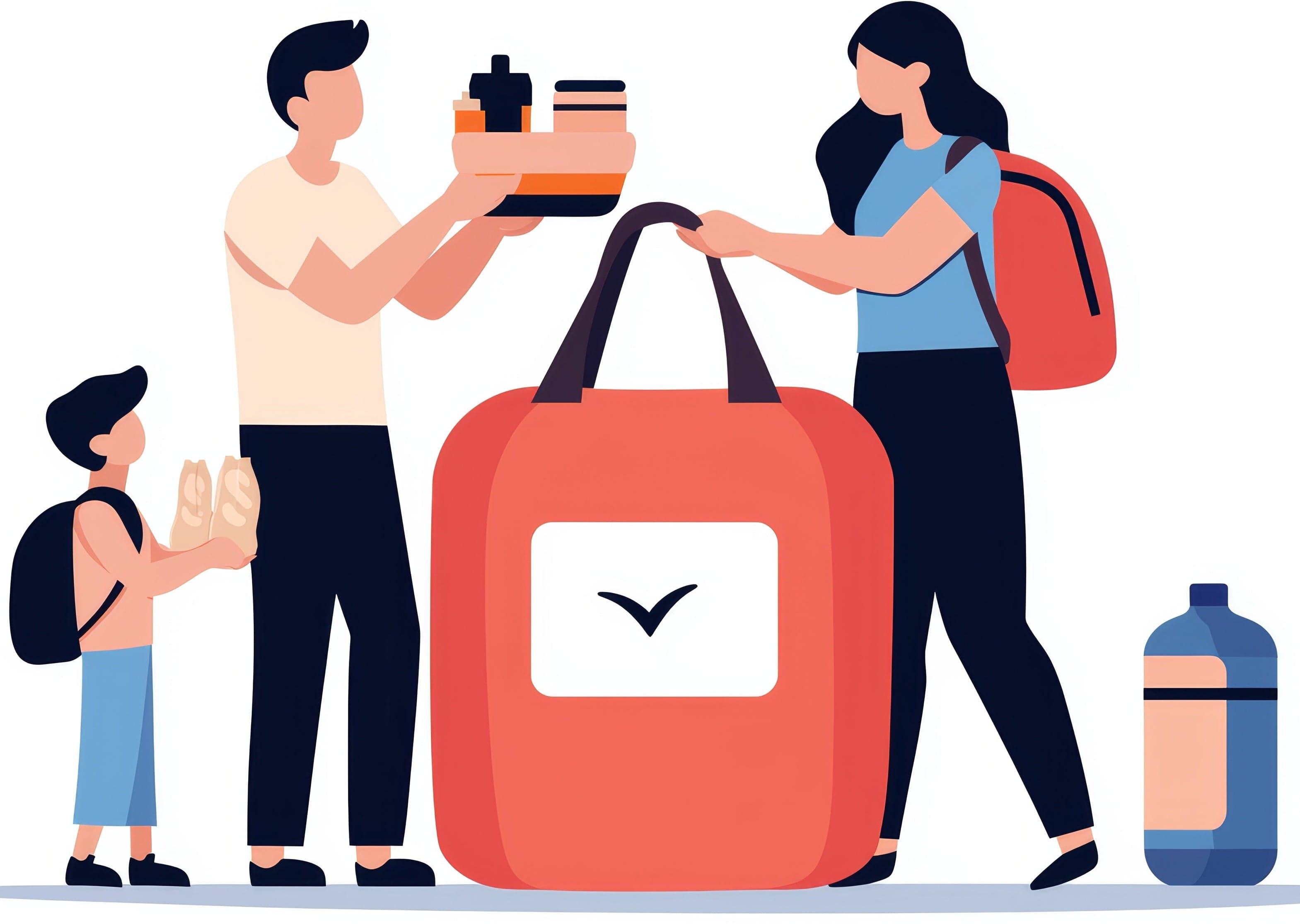
In a crisis, you may need to evacuate quickly. Have a go-bag with essentials ready at all times.
What to include:
-
Flashlight and extra batteries
-
First-aid kit
-
Important documents (IDs, medical info, insurance)
-
Cash (ATMs may be down)
-
Essential medications
FEMA’s Ready campaign publishes a full basic disaster supplies list if you want to build the bag out further. Store documents in a waterproof pouch and check the kit every six months so nothing in it has expired or gone dead.
Final Thoughts
Preparedness isn’t just about safety. It’s about speed and efficiency when filing an insurance claim. Having these essentials ready can make all the difference in getting your home (and life) back on track after an emergency.
Stay safe, stay prepared, and remember: the best time to plan for an emergency is before it happens.