Tugboat is FREE for Disaster Survivors →
Explore expert insights, advice, and tips to help you with your home insurance claims.
Getting that insurance check in your hand after a property loss can feel like a relief. But don’t let the relief turn into confusion. Once the check arrives, you’ve still got work to do, especially if your mortgage company is listed on the check or you’re about to start repairs.
An endorsement, also known as a rider or amendment, is an add-on to your standard insurance policy that modifies, extends, or limits coverage. In other words, it's how you customize your insurance to fit your specific needs.
Insurance terms can sound like they’re written in ancient runes, and “Accidental Direct Physical Loss” (ADPL) is no exception. But if you’re a homeowner looking to protect your biggest asset, this is one term you should definitely understand.
If you don’t tell your insurance company about those upgrades, they might not be fully covered. And when the unexpected happens (hello, water leak), that could leave you footing the bill for improvements you already paid dearly for.
When it comes to insuring your home, there’s one question we hear again and again: “How much coverage do I actually need?” And we get it, property insurance isn’t exactly a thrilling read on a Saturday morning. But get this wrong, and a burst pipe or wind-damaged roof can turn into a much bigger financial headache.
Many insurance carriers are now hiring adjusters with little or no real-world experience to handle homeowner claims. These individuals may have passed basic state licensing exams (some of which are shockingly easy), or they're operating under temporary emergency licenses, which fast-track them into the field without a true understanding of construction, valuation, or — perhaps most crucially — insurance law. Here’s why that matters for your property claim — and how to protect yourself.
Many renters assume their landlord’s insurance protects them, but that policy only covers the building itself—not your personal belongings or liability.
Yes, you can help your parents (or someone else) file a property insurance claim, but there are important steps and legal considerations to keep in mind.
Additional Living Expenses (ALE) coverage can be a financial lifesaver. But what exactly does ALE cover, and what are its limits?
A Reservation of Rights letter is a standard practice in the insurance industry. However, it’s important to understand what it means and how it might affect your claim.
Wildfires can expose issues across all areas of property claims, from small claims due to smoke damage to total loss claims where everything is lost. These claims are complex, difficult, and emotional. Every primary coverage will be addressed in total loss claims (building, contents, other structures, and Additional Living Expenses) along with many supplemental coverages and endorsements.
Wildfires can cause devastating damage, leaving homeowners to navigate the challenging and often confusing process of filing insurance claims. Unfortunately, many homeowners discover significant gaps in their coverage only after a wildfire strikes. Understanding these potential gaps and how to address them can make a crucial difference in ensuring you're adequately protected. This guide examines common insurance coverage issues faced by homeowners and provides tips to help you close these gaps.
Signing up for homeowner’s insurance isn’t just about picking a policy and calling it a day; it’s about making sure everything valuable is properly covered before disaster strikes. The worst time to find out you’re underinsured is when you need to file a claim.
Not sure if you should file a homeowner’s insurance claim for property damage? Discover key tips for making an informed decision, and learn how Tugboat’s expert support can guide you through the process.
Emergencies strike when we least expect them: storms, fires, floods, or even sudden plumbing disasters. When they do, the last thing you want is to scramble for essential documents or struggle to remember policy details. A well-prepared homeowner is a well-protected homeowner.
Filing and managing an insurance claim is undeniably complex and unpredictable. Take an active role and equip yourself with the right information and resources, to tilt the odds in your favor. Don't let the roll of the dice dictate the recovery of your losses; take control and maximize your claim's potential.
Learn about common coverage pitfalls in property insurance claims, from misunderstanding policy limits to failing to document damage properly. Discover practical tips to avoid issues like inadequate coverage, high deductibles, and delayed reporting, ensuring your claim goes smoothly when disaster strikes. Stay informed to protect your home and get the payout you need.
Facing property damage? Find out who can assess and repair your home after an insurance claim. Learn about the roles of insurance adjusters, contractors, and specialized experts in navigating property insurance claims, with tips on hiring the best professionals for the job. Whether it’s fixing a roof, removing mold, or negotiating your claim, Tugboat has got you covered.
After a disaster, debris removal is among the first steps in the return to normalcy. In this blog we help homeowners understand the advantages and risks of both Private Debris Removal Contractors and County-Coordinated Debris Removal to help homeowners make an informed decision in the aftermath of a disaster.
Is your insurance adjuster not responding? Learn the best ways to get your insurance carrier to communicate about your home insurance claim, and discover how Tugboat can help ensure your claim stays on track.
Wildfire damage, whether it’s smoke-related or a total loss, can be overwhelming, both emotionally and logistically. Filing an insurance claim is a crucial step toward recovery, and the adjuster’s inspection plays a central role in ensuring fair compensation. Every claim is unique, and while this guide provides general guidance, it’s essential to adapt these suggestions to your specific situation.
Meeting with a mitigation vendor or insurance adjuster during an initial inspection for smoke damage is a critical step in your claims process. By staying organized, asking the right questions, and clearly communicating your concerns, you can help ensure a fair evaluation of your claim. Here’s a step-by-step guide to prepare for and navigate the inspection.
Experiencing smoke damage in your home can be overwhelming, but knowing the right steps to take can make the insurance claim process smoother and ensure your home is properly restored. Here’s a comprehensive guide to help you navigate this challenging situation while protecting your health, safety, and financial interests.
Like in any relationship going through a rough patch, clear and effective communication can right the ship in times of trouble. You cannot force your insurance provider to be a strong communicator, but you are in control of all of the things laid out above. So take the lead, and if you want some extra help download the Tugboat app!
Indemnity means that if you file a claim covered by your policy, your insurance carrier has a contractual obligation to restore you to pre-loss conditions based on the policy coverage. If you feel this obligation has not been met, i.e. the insurance carrier left you to cover the cost, didn’t pay enough on the claim, or didn’t pay for full repairs, you can ask your insurance adjuster about indemnity.
Recovering from a disaster like the 2025 California wildfires takes time, patience, and strategy. By keeping detailed records, leveraging your policy benefits, and staying proactive, you can pave the way to a smoother recovery process.
Estimating guidelines play a critical role in the insurance claim process and are a black box for the policyholder. The process helps ensure that damage is assessed accurately and that repair costs are fair and consistent, and is most effective when the policyholder is an advocate for the full scope of restoration. By understanding these guidelines and actively participating in the estimating process, you can navigate your insurance claim with greater confidence and clarity.
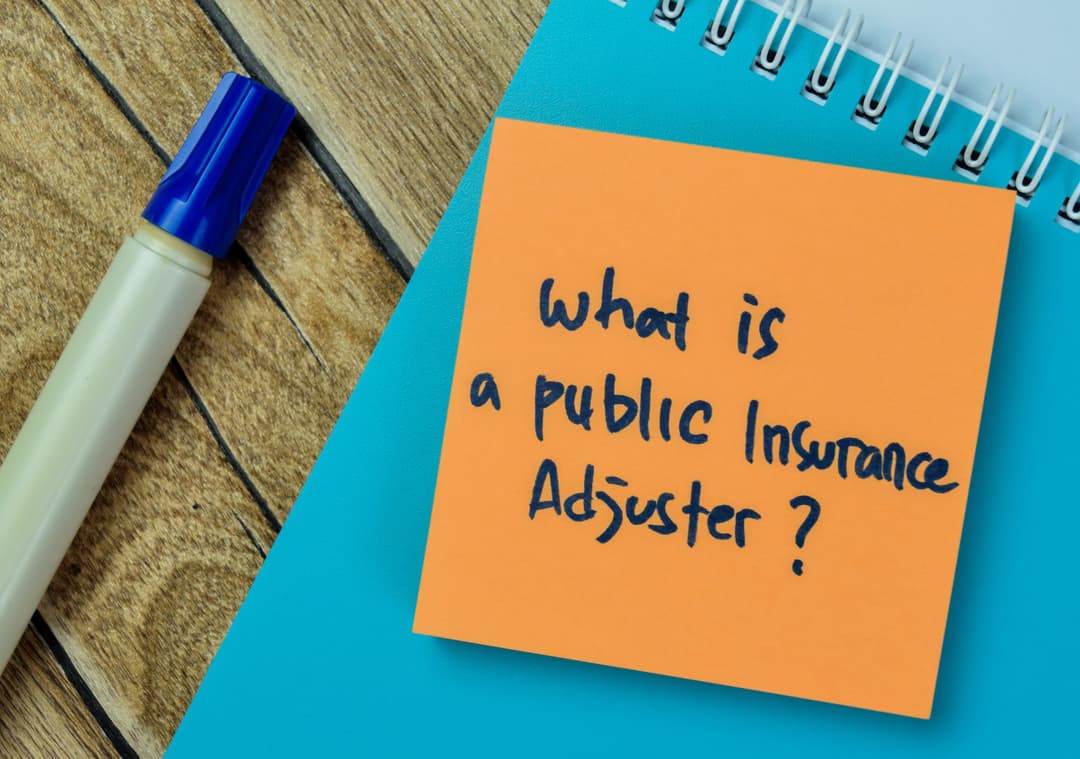
Whether you're handling a claim on your own or need extra help, it's important to know that you don't have to go through the process alone. Public adjusters can be valuable allies when navigating a complex or disputed insurance claim, but if you're looking for comprehensive support without the high fees, Tugboat is here to guide you every step of the way.
Meta Description: Demystify insurance claim depreciation with our in-depth guide. Learn about ACV, RCV, recovering depreciation, and how to ensure you're not leaving money on the table!
Virtual claim inspections have become increasingly common, offering a convenient and efficient way for insurance adjusters to assess damage without needing to visit your home in person. If your insurance adjuster has scheduled a virtual inspection, here's a guide to help you navigate the process smoothly and know what to expect.
Here’s a guide to navigating a property insurance claim, including tips on what you can do and when it might be time to seek outside help.
Discovering more damage after repairs have started can be a stressful experience, but by following these steps, you can minimize disruption and ensure that your insurance claim is handled properly.
When filing an insurance claim, the inspection process can feel overwhelming. To help ease your concerns and ensure a smooth experience, let's walk through what insurance inspectors look for and how the entire process unfolds.
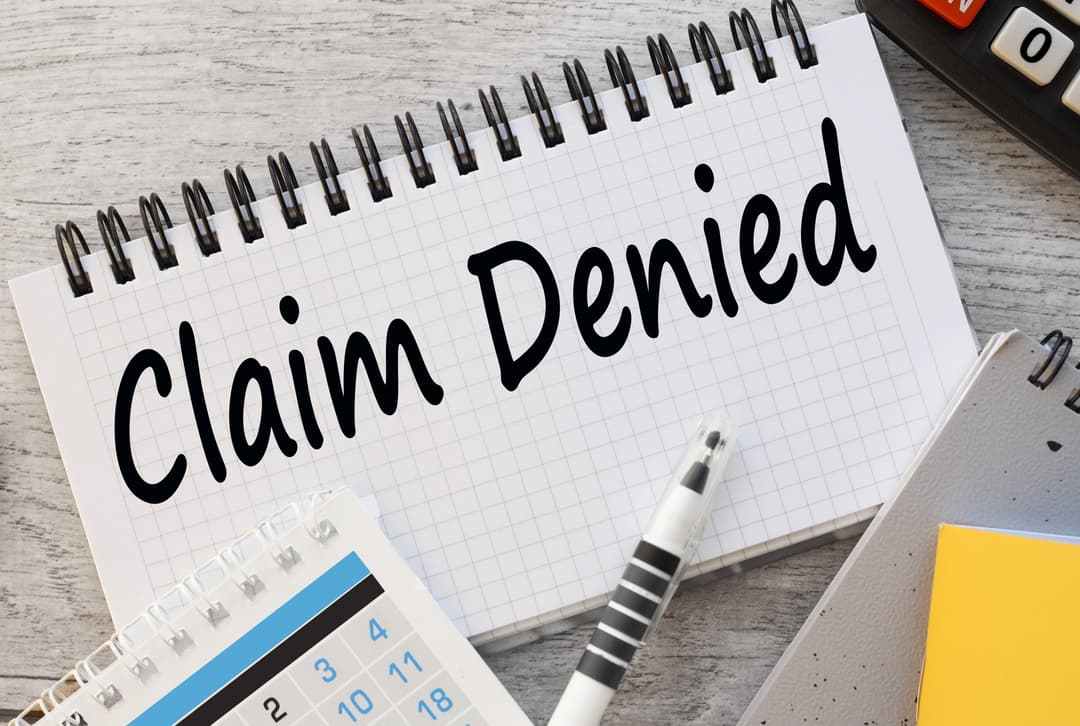
A denied insurance claim can feel like a major setback, but it doesn’t have to be the final word. By understanding why your claim was denied, gathering additional evidence, and pursuing appeals or other avenues, you can fight back and potentially reverse the decision. Remember, persistence is key—don’t be afraid to challenge a denial and advocate for the coverage you’re entitled to.
If your insurance carrier didn't cover the full cost of repairs, don't just accept the shortfall. By understanding your policy, communicating with your adjuster, and exploring all your options, you can ensure your home gets the repairs it needs without breaking the bank.
Learn what to do if your insurance claim is denied and how to effectively fight back to get the coverage you deserve.
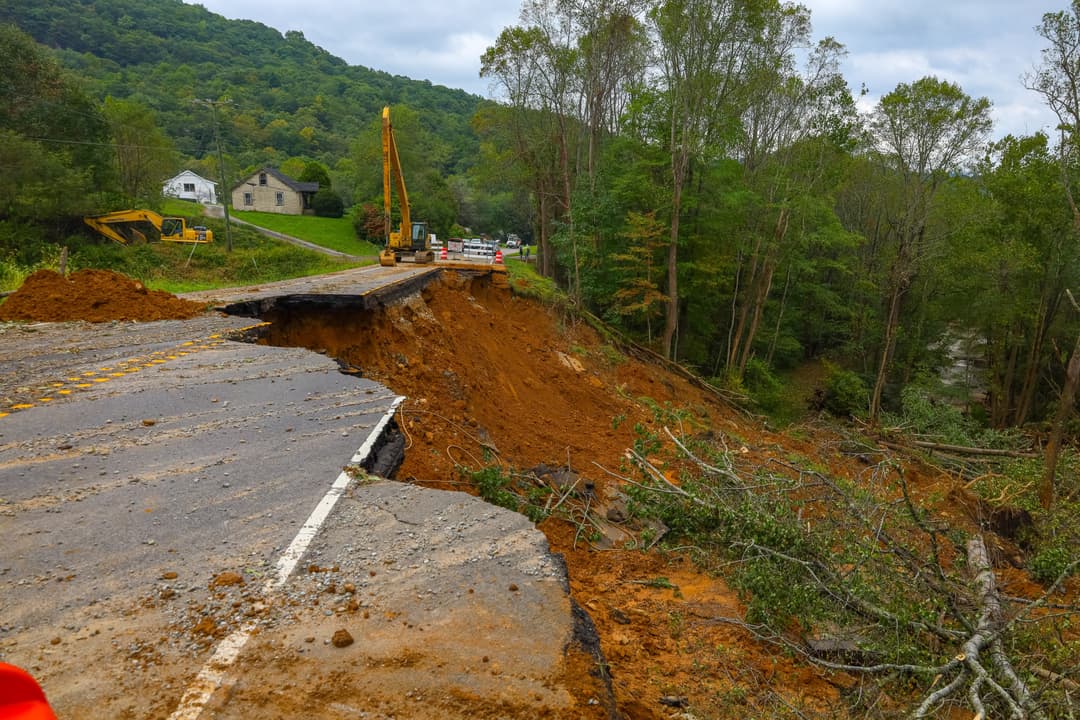
The road to recovery after Hurricane Helene will take time, but understanding your insurance policy and your rights can make the process less overwhelming. By tracking your expenses, leveraging available coverage, and being prepared to advocate for yourself, you can rebuild with greater confidence.